Roses Line-Art Machine Embroidery Design Review
As an embroidery designer who spends countless hours digitizing and testing files, I am always on the lookout for designs that balance aesthetic appeal with technical reliability. Recently, I evaluated the Roses Line-Art Machine Embroidery Design available on Creative Fabrica to determine if it holds up under the scrutiny of real-world production. For those of us running small businesses or creating handmade gifts, a design must do more than look pretty on a screen; it must stitch out cleanly, withstand washing, and enhance the perceived value of the finished product.
First Impressions and Visual Mood
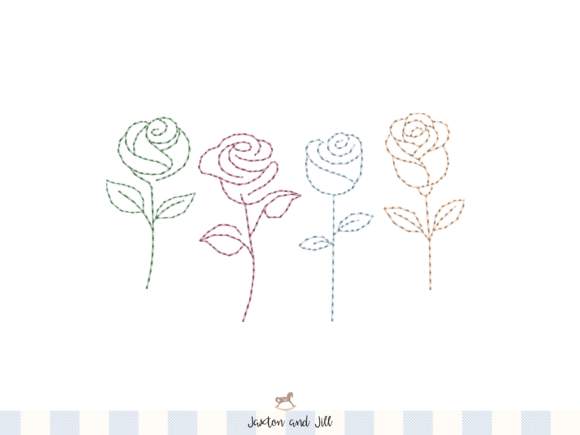
The immediate standout feature of this design is its minimalist elegance. Unlike traditional floral patterns that rely on heavy fill stitches or complex shading, this piece utilizes a single-line approach. This creates a delicate, airy feel that fits perfectly within the popular Outline Flowers category. The visual mood is sophisticated yet understated, making it versatile for various demographics, from modern nursery decor to chic adult apparel.
For embroidery designers, the appeal lies in the simplicity. The lack of dense stitching means fewer thread breaks and faster run times. However, simplicity can be deceptive. A single-line design requires precise tension and high-quality digitizing to ensure the line remains smooth and unbroken. Upon reviewing the file structure, the stitching personality appears clean, with logical travel stitches that minimize jumps and trims.
Performance in Real Embroidery Projects
To truly test the viability of this machine embroidery design, I considered how it would perform across different substrates commonly used in commercial embroidery. Here is how it translates to specific items:
- Tote Bag Design: On canvas or heavy cotton, the line-art style stands out beautifully without sinking into the fabric weave. It adds a boutique touch to simple bags.
- Sweatshirt Embroidery: When applied to fleece or French terry, minimal designs often fare better than dense ones because they do not create a stiff, uncomfortable patch on the chest. This design sits lightly on the fabric.
- Custom Apparel: For linen shirts or denim jackets, the elegant lines complement the texture of the material. It works well as a pocket accent or a larger back piece.
- Kitchen Towels and Aprons: Since these items undergo frequent washing, the lower stitch count reduces the risk of puckering over time, provided proper stabilizer is used.
- Embroidered Patch: While possible, single-line designs on patches require careful attention to edge finishing. A satin stitch border might be necessary to frame the rose if cutting close to the design.
This versatility makes it an excellent asset for Etsy sellers and craft fair vendors who need to maximize their inventory with minimal setup changes. The design’s adaptability allows it to fit seamlessly into a cohesive brand aesthetic, whether you are selling personalized gifts or ready-to-ship home decor.
Practical Considerations for Stitching
While the design is user-friendly, there are critical technical factors to consider before hooping your fabric. Because this is an outline-based embroidery file, the margin for error regarding fabric stability is narrower than with fill-heavy designs.
Fabric and Stabilizer Selection
Using the correct stabilizer is non-negotiable. For stretchy fabrics like jersey knits or sweatshirts, a cut-away stabilizer is recommended to prevent distortion. For woven fabrics like tote bags or aprons, a tear-away may suffice, but a lightweight cut-away ensures the lines remain crisp after washing. Always test on scrap fabric first. This allows you to check thread tension and ensure the single line does not gap or overlap incorrectly.
Hoop Size and Placement
Before purchasing, verify the available hoop size options listed on the Creative Fabrica product page. Minimalist designs often look best when scaled appropriately. If the design is too small, the single line may become indistinct. If too large, it might lose its delicate charm. Ensure the file dimensions match your intended project, whether it is a small cap front or a large pillow cover.
Thread Colors and Contrast
The success of a line-art design relies heavily on contrast. On dark fabrics, use a bright or metallic thread to make the rose pop. On light fabrics, a contrasting dark thread or a subtle tone-on-tone approach can create a sophisticated, textured look. Always review your thread colors against the fabric swatch before starting the final piece.
Enhancing Product Value and Brand Consistency
In the competitive world of handmade goods, presentation is everything. The Roses Line-Art Machine Embroidery Design offers a high-end look that can elevate the perceived value of your products. Customers often associate intricate, clean stitching with quality craftsmanship. By using a design that is elegant rather than cluttered, you signal a modern, refined brand identity.
Furthermore, this design is ideal for creating printable mockups. Because the lines are clean and distinct, they photograph well, allowing you to showcase your finished product effectively on social media and online marketplaces. High-quality visuals drive customer engagement and trust, which are crucial for converting browsers into buyers.
Licensing and Commercial Use
For creative entrepreneurs, understanding licensing is vital. Creative Fabrica typically offers licenses that allow for the sale of physical finished items. However, terms can vary. Before using this digital embroidery file for commercial embroidery projects, always read the specific license details on the product page. Ensure you are compliant with any restrictions regarding mass production or digital resale of the file itself.
Remember, you are selling the labor and materials of the handmade product, not the digital asset. Proper attribution and adherence to licensing terms protect your business and respect the original designer’s work.
Final Verdict
The Roses Line-Art Machine Embroidery Design is a strong contender for designers seeking efficient, elegant solutions for their product lines. It bridges the gap between artistic flair and practical manufacturability. Whether you are decorating caps, creating nursery decor, or adding a personal touch to custom apparel, this design delivers a professional finish.
My advice is to start with a test stitch on your most challenging fabric to dial in your tension and stabilizer choice. Once mastered, this design can become a staple in your library of design assets, helping you produce consistent, high-quality goods that resonate with customers looking for timeless, minimalist beauty.