Daisy Flower Line Embroidery Design Review
As an embroidery designer who spends countless hours curating collections for seasonal sales, I am always on the lookout for designs that balance modern aesthetics with timeless appeal. When I first encountered the Daisy Flower Line Embroidery Design, I was immediately struck by its polished and sophisticated approach to floral motifs. This is not your typical dense, heavy flower pattern. Instead, it embodies clean minimalistic lines suffused with tender floral forms, making it an incredible selection for spring and beyond. For those of us running small shops or managing Etsy listings, finding a versatile machine embroidery design that works across multiple product categories is essential. This review explores how this specific embroidery file can elevate your seasonal embroidery offerings and drive sales during peak holiday shopping periods.
Capturing the Seasonal Mood with Minimalist Florals
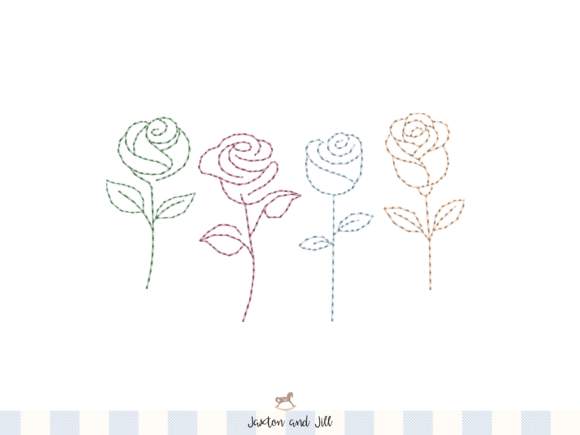
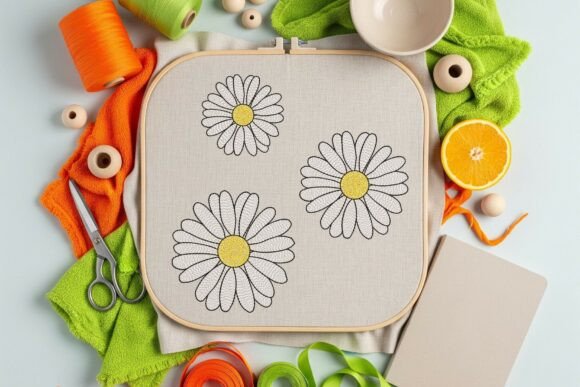
The first impression of the Daisy Flower Line Embroidery Design is one of understated elegance. In a market often saturated with overly complex or cartoonish graphics, this design stands out due to its refined simplicity. It feels both nostalgic and modern, striking a balance that appeals to a wide demographic. Whether you are targeting customers looking for handmade gift ideas for Mother’s Day, Easter, or even early summer birthdays, this design carries an emotional tone that is gentle and inviting. The line work suggests a hand-drawn quality, which adds a layer of authenticity that buyers crave in commercial embroidery products. It does not scream for attention; rather, it invites the viewer to appreciate the craftsmanship, making it perfect for premium branding.
Real-World Applications for Holiday and Seasonal Sales
To truly understand the value of this digital embroidery file, we must look at how it performs in real selling situations. I tested this design across several popular product types to gauge its versatility. Here is how it translates to tangible items:
- Sweatshirt Embroidery: Placed on the left chest or as a larger back piece, the clean lines look stunning on heather grey or pastel-colored hoodies. It avoids the bulkiness that can occur with denser designs, keeping the garment comfortable and stylish.
- Tote Bag Design: For eco-conscious shoppers, this floral motif adds a touch of nature-inspired charm to canvas bags. The minimal stitch count ensures the fabric does not pucker, maintaining a professional finish.
- Kitchen Towel Embroidery: This is perhaps my favorite application. The delicate daisy form complements linen or cotton towels beautifully, creating a high-end look for home decor gifts. It transforms a simple utility item into a personalized gift ready for gifting.
- Pillow Cover and Home Decor: When scaled appropriately, the design adds a soft, romantic touch to throw pillows. It works exceptionally well in neutral palettes, allowing the texture of the thread to shine against the fabric.
- Embroidered Patch: For younger demographics or festival-goers, turning this design into an iron-on or sew-on patch creates a trendy accessory that can be moved between jackets and bags.
For Etsy seller accounts, these applications provide a diverse range of listings. You can create bundles, such as a matching tote and towel set, increasing the average order value. The visual consistency of using the same Floral motif across different products helps build brand recognition.
Navigating Technical Considerations and Limitations
While the Daisy Flower Line Embroidery Design is versatile, it requires careful handling to ensure the best results. As with any embroidery file, understanding the technical constraints is crucial for maintaining quality. Because this design relies on clean lines, it may not hold up well on extremely textured fabrics where the stitches could get lost. I recommend testing on smooth cottons, poly-blends, or tightly woven linens.
One area to watch is stitch density. Minimalist designs often have lower density, which is great for comfort but requires proper stabilization. Always use a high-quality cut-away or tear-away stabilizer depending on the fabric stretch. If you are working with stretchy garments like t-shirts or baby onesies, a cut-away stabilizer is non-negotiable to prevent distortion after washing. Additionally, be cautious when using metallic threads. While they can add a festive sparkle for holiday embroidery, the thin lines of this design might break more easily if the tension is too tight or if the metallic thread is brittle.
Another consideration is hoop size. Ensure you check the specific dimensions provided in the product details before purchasing. If you plan to scale the design down significantly for small items like baby bibs or pocket logos, verify that the fine details remain visible. Sometimes, reducing a line-art design too much can cause the stitches to merge, losing that crisp, minimalist aesthetic.
Enhancing Brand Value and Customer Trust
In the competitive world of online handmade sales, presentation is everything. The Daisy Flower Line Embroidery Design lends itself beautifully to high-quality printable mockup creation. Because the design is not overly busy, it photographs well under natural light, allowing you to showcase the texture of the thread and the quality of the stitch-out. This visual clarity builds customer trust. When buyers can see the precision of the work in your photos, they are more likely to perceive your small shop product as premium.
Furthermore, this design supports seasonal storytelling. You can pair it with appropriate color palettes to match various holidays. Soft yellows and whites for spring, muted greens for Earth Day, or even warm creams for winter coziness. This flexibility allows you to keep the same core design in your catalog year-round while refreshing your marketing materials to match the current season. It reduces the need to constantly buy new designs, offering a better return on investment for your business.
Practical Designer Notes for Best Results
Before you launch your next collection featuring this design, keep these practical tips in mind:
- Test Thread Colors: Always stitch a sample on both light and dark fabric. Some thread colors may blend too much with certain backgrounds, reducing visibility.
- Check Licensing: Review the Creative Fabrica product details and licensing terms. Ensure you are compliant when selling finished seasonal products, especially if you are modifying the design.
- Create Realistic Mockups: Use photos of actual stitched samples rather than just digital overlays. Buyers want to see how the thread sits on the fabric.
- Plan Color Palettes: Develop three to four standard color combinations that you can offer as options. This simplifies production and helps customers choose quickly.
- Inspect Details: After stitching, review the start and end points of the lines. Trim any loose threads meticulously to maintain the polished look.
In conclusion, the Daisy Flower Line Embroidery Design is a valuable addition to any designer’s library. Its ability to bridge the gap between modern minimalism and traditional floral charm makes it a strong contender for seasonal embroidery projects. By paying attention to fabric choice, stabilization, and presentation, you can leverage this design to create high-quality, sellable items that resonate with customers looking for thoughtful, beautiful handmade goods. Whether you are decorating apparel, home textiles, or accessories, this design offers the sophistication needed to stand out in a crowded marketplace.