Review: Interlocking Embroidery Design 3-6 Sizes
As an embroidery designer who spends countless hours digitizing and testing files for commercial use, I am always cautious about adding new assets to my library. When I came across the Interlocking Embroidery Design 3-6 Sizes on Creative Fabrica, I was immediately drawn to its clean aesthetic. This is part three of a series, which suggests a cohesive collection for those who enjoy building a themed portfolio. The product falls under the Backgrounds category, yet its versatility extends far beyond simple filler work. For anyone running a handmade shop or offering custom apparel services, understanding how a specific machine embroidery design performs in real-world scenarios is crucial before committing to a customer order.
First Impressions and Visual Appeal
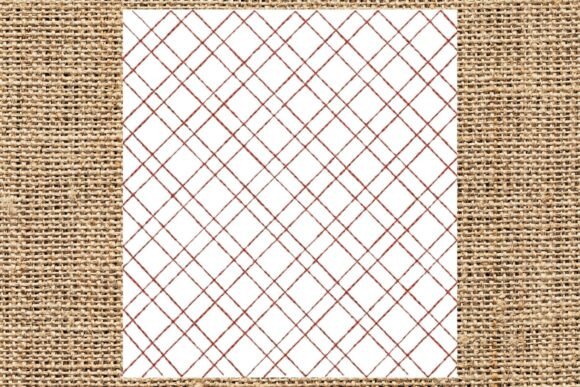
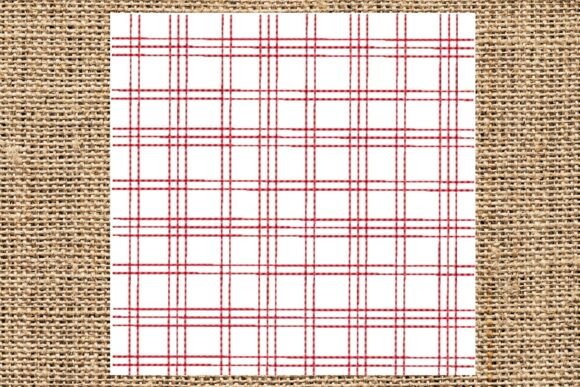
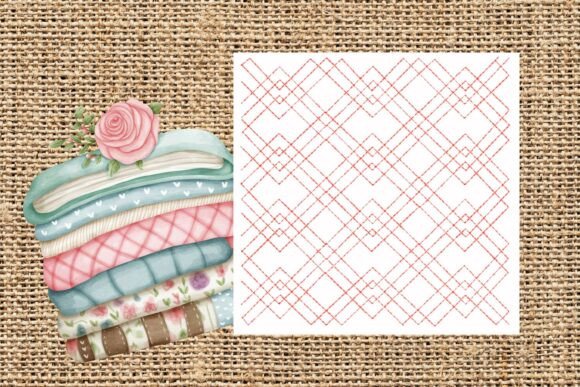
The first thing that stands out with this Interlocking Embroidery Design 3-6 Sizes is its redwork nature. Redwork is a classic style that relies on single-color stitching, typically using a running stitch to create intricate outlines without the bulk of fill areas. This design promises to stitch cleanly without trims, which is a significant advantage for production efficiency. Visually, the interlocking patterns offer a sophisticated, geometric mood that feels both modern and timeless. It does not scream for attention but rather adds a subtle, textured elegance to any project. For designers looking to elevate their design assets, this type of background element provides a professional finish that enhances the overall perceived value of the finished product.
Real-World Application for Handmade Products
I evaluated this file with several potential projects in mind, ranging from home decor to wearable art. Because the design is described as looking good on quilts, it naturally fits into the realm of heirloom-quality items. However, its utility is much broader. Here is how I envision using this embroidery file in a commercial setting:
- Tote Bag Design: The geometric interlocking pattern works beautifully on canvas totes. It provides a structured look that appeals to customers seeking minimalist accessories.
- Sweatshirt Embroidery: Placed on the back or sleeve, this design adds a boutique touch to plain hoodies. The lack of dense fill stitches means the garment remains soft and flexible.
- Kitchen Towels and Aprons: Redwork is traditional in kitchen linens. This design could serve as a border or a central motif, offering durability through frequent washing since there are no bulky satin columns to snag.
- Pillow Covers and Nursery Decor: For baby items, the clean lines are safe and visually calming. It pairs well with organic cotton fabrics, enhancing the handmade appeal.
- Embroidered Patch: If stabilized correctly, this could be hooped and cut out for iron-on patches, though the open nature of redwork requires careful handling during the cutting process.
Technical Performance and Stitching Notes
When integrating a new digital embroidery file into your workflow, technical reliability is paramount. The description notes that this is a redwork design, which inherently means lower stitch density compared to fill-heavy designs. This is excellent for speed and reduces the risk of fabric puckering. However, because it relies on continuous lines, the tension settings on your machine must be precise. Any loose tension will result in loopy threads that ruin the crisp interlocking effect.
Since the product includes 3-6 sizes, you have flexibility regarding hoop size. For smaller items like caps or baby bibs, the smallest size is likely ideal. For larger surfaces like quilt blocks or tote bags, the larger sizes will make a bolder statement. It is essential to check the specific dimensions provided on the Creative Fabrica product page to ensure they fit your intended hoop. Always test on scrap fabric first. I recommend using a medium-weight cut stabilizer for woven fabrics and a tear-away for stable knits to support the running stitches without leaving residue.
One critical consideration is fabric choice. On dark fabric, ensure you use a high-contrast thread colors scheme. While redwork traditionally uses red thread on white fabric, modern interpretations can use metallic gold on navy or white on black. The clean lines of this design allow for creative color play, but visibility is key. Avoid highly textured fabrics like heavy bouclé, as the fine details of the interlocking pattern may get lost in the pile.
Enhancing Brand Value and Customer Trust
For Etsy sellers and small business owners, consistency is key to building brand trust. Using high-quality Creative Fabrica embroidery files like this one helps maintain a professional standard. The clean, trim-free stitching results in a polished look that photographs well. High-resolution images of your personalized gift or custom apparel featuring this crisp design can significantly boost click-through rates. Customers associate neat, precise stitching with quality craftsmanship. By choosing a design that minimizes trimming and maximizes visual impact, you reduce production time while increasing the perceived value of your goods.
Furthermore, because this is part of a series, you can create cohesive collections. Offering a matching set of items—such as a tote bag, apron, and towel—all featuring variations of the interlocking pattern can encourage bundle purchases. This strategy not only increases average order value but also strengthens your brand identity as a designer who pays attention to detail and thematic consistency.
Practical Tips for Commercial Use
Before listing any item made with this applique design or background pattern, review the licensing terms on the product page. While many Creative Fabrica files allow for commercial use of finished physical items, it is vital to confirm this to protect your business. Additionally, consider the following practical steps:
- Check File Formats: Ensure the download includes the format compatible with your specific machine brand. If not listed, contact the designer or check the detailed description.
- Mockup Testing: Create printable mockups or digital previews to show customers how the design looks on different colored fabrics. This manages expectations and reduces return requests.
- Wash Testing: Since redwork uses single threads, verify that your thread choice is colorfast and durable. Wash a test piece multiple times to ensure the stitching holds up without fraying.
- Inspect Small Details: After stitching, inspect the interlocking points closely. If the design is scaled down too small, the lines may merge. Always stitch the smallest size you plan to sell to verify clarity.
In conclusion, the Interlocking Embroidery Design 3-6 Sizes is a versatile and efficient addition to any embroidery designer’s toolkit. Its redwork style offers speed and cleanliness, making it ideal for high-volume production or delicate handmade gifts. Whether you are decorating sweatshirt embroidery projects, creating durable tote bags, or adding flair to home decor, this design delivers a professional finish. By paying attention to stabilizer choice, thread contrast, and proper scaling, you can leverage this asset to create stunning, marketable products that resonate with customers seeking quality and style.