Review: Native Embroidery Design for Business Merch
As an embroidery designer who has spent years digitizing patterns and consulting with small business owners, I approach every new digital embroidery file with a critical eye. It is not just about whether a design looks pretty on a screen; it is about how it performs in the real world of commercial production. Recently, I evaluated Native Embroidery Design. Digital File., specifically focusing on its potential for branded merchandise and professional application. This review breaks down the visual impact, technical considerations, and strategic value of this piece for entrepreneurs, apparel decorators, and handmade brands.
First Impressions: Bold Geometry Meets Cultural Depth
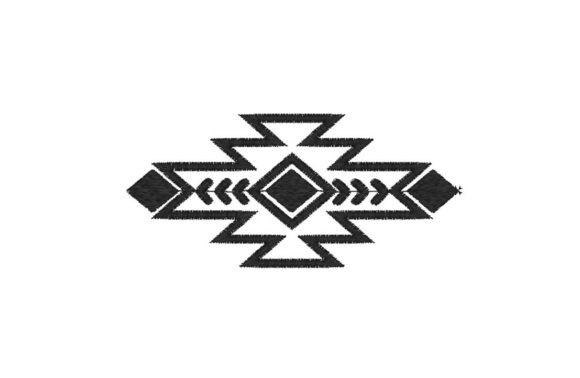
The moment I loaded the preview for Native Embroidery Design. Digital File., the immediate impression was one of striking confidence. The description highlights a "Feathered Aztec Geometric Motif," and the visual delivery matches this promise perfectly. This is not a subtle, background pattern. It is a statement piece. The design falls squarely into the Shapes category, utilizing strong lines and high-contrast elements to create a sense of movement and structure.
For a small business owner, the personality of your brand assets matters immensely. This design feels bold, premium, and culturally rich without being overly ornate. It strikes a balance between modern geometric precision and traditional artistic flair. For boutique owners or creative studios looking to establish a brand identity that feels both grounded and dynamic, this motif offers a sophisticated aesthetic that stands out from generic clip-art styles often found in the market.
Real-World Applications for Small Business Merchandise
The true test of any machine embroidery design is its versatility across different products. Here is how I envision Native Embroidery Design. Digital File. performing in various commercial scenarios:
- Embroidered Patches: This is perhaps the strongest use case. The geometric nature of the Aztec motif lends itself beautifully to patch creation. Whether used as a chest logo accent on jackets or a standalone badge for tote bags, the high-contrast black elements ensure visibility. Patches allow businesses to add value to plain garments, turning a simple hoodie into a premium custom apparel item.
- Staff Uniforms and Aprons: For cafes, bakeries, or florists, staff presentation is part of the customer experience. Embroidering this motif on the corner of an apron or the sleeve of a work shirt adds a touch of artisanal quality. It signals to customers that the business cares about details, enhancing perceived professionalism.
- Cap Embroidery: Caps are a staple of streetwear and casual branding. However, curved surfaces require careful digitizing. If the file is optimized for smaller hoops, placing this geometric motif on the side panel or back of a cap can create a unique, understated look that appeals to younger demographics.
- Tote Bag Design: Eco-friendly shopping bags are essential for retail brands. A large-scale version of this design centered on a canvas tote creates a walking advertisement. The bold lines hold up well against the textured weave of canvas fabric, making it an excellent choice for small business merch.
Technical Considerations and Production Challenges
While the aesthetic appeal is high, experienced embroiderers know that complexity brings challenges. The description notes "visually complex" elements, which requires attention to detail during production. Here are critical factors to consider before running a full batch:
Stitch Density and Fabric Texture: Complex geometric motifs often involve significant stitch coverage. On lightweight fabrics like thin cotton tees, high stitch density can cause puckering or distortion. It is crucial to use the appropriate stabilizer—likely a cut-away for stretchy fabrics or a tear-away for stable wovens—to maintain the integrity of the design. Always test on the actual fabric you intend to use, as fabric texture can dramatically alter the final appearance.
Size Limitations: Do not assume this design will scale down indefinitely. Intricate feathered details may merge or become indistinct if reduced too much for a tiny pocket logo. Check the recommended hoop size provided with the file. If you plan to use it on small items like pet collars or keychains, verify that the smallest elements remain clear at that scale.
Thread Color Contrast: The design features "bold, high-contrast black." This suggests it is optimized for dark threads on light fabrics or vice versa. If you plan to embroider on dark uniforms, ensure you have a bright underlay or choose thread colors that pop against the background. Poor contrast can make even the best design look muddy and unprofessional.
Enhancing Brand Identity and Customer Trust
In the competitive landscape of Etsy sellers and local boutiques, visual consistency is key. Using a distinctive motif like Native Embroidery Design. Digital File. helps build recognition. When customers see this specific geometric pattern on your packaging, your apron, and your social media printable mockup, it reinforces your brand identity. It moves your business away from looking like a generic reseller and toward being a curated brand with a distinct voice.
Furthermore, high-quality embroidery signals durability and care. A well-executed embroidered patch or logo lasts longer than printed ink, which can crack or fade. This longevity adds tangible value to your handmade product or merchandise, justifying higher price points and fostering greater customer trust. It shows that you invest in quality design assets that withstand frequent washing and daily wear.
Practical Designer Notes for Implementation
Before integrating this commercial embroidery asset into your product line, follow these steps to ensure success:
- Test in Black and White First: Strip away color variables by stitching the design in black thread on white fabric. This reveals the structural integrity of the digitizing and highlights any spacing issues.
- Verify File Specifications: The product description does not list exact stitch counts or specific file formats (such as PES, DST, or JEF). Always check these details before purchase to ensure compatibility with your machine. Confirm the license terms to guarantee you have rights for commercial embroidery and mass production.
- Create Client Mockups: If you are designing for a client, place the design on a digital mockup of their specific garment. This helps manage expectations regarding size and placement before any thread is wasted.
- Check Spacing and Jump Stitches: Review the pathing of the embroidery file. Efficient jump stitches reduce production time and thread waste, which is vital for profitability in small business operations.
In conclusion, Native Embroidery Design. Digital File. is a powerful tool for businesses looking to elevate their visual presence. Its bold, geometric Aztec influence offers a unique blend of tradition and modernity. By respecting the technical requirements of stitch density, stabilizer choice, and fabric compatibility, you can transform this digital asset into a cornerstone of your brand’s physical identity. Whether used on a rugged work apron or a stylish tote bag, this design has the potential to turn everyday items into memorable branded experiences.