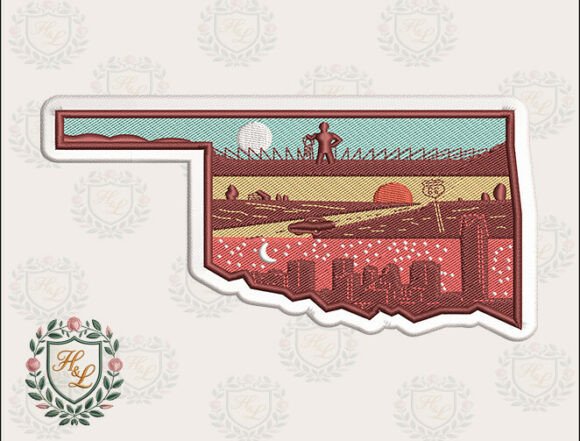
Review: Layers of Oklahoma Embroidery Files
As an embroidery designer who has spent years digitizing for small businesses and boutique brands, I approach every new machine embroidery design with a critical eye. It is not enough for a design to simply look pretty on a screen; it must perform under the needle, withstand commercial laundering, and elevate the perceived value of the final product. Recently, I evaluated the Layers of Oklahoma Embroidery Files, a digital appliqué design marketed toward creative projects in North America. My goal was to determine if this asset could serve as a reliable cornerstone for branded merchandise, from staff uniforms to customer gifts.
First Impressions and Visual Personality
The initial preview of the Layers of Oklahoma Embroidery Files suggests a design that balances regional pride with a handcrafted aesthetic. The description highlights its suitability for shirts, tote bags, pillows, and festive decorations, which immediately signals versatility. Visually, the design feels rustic yet polished, leaning into a "handmade premium" vibe rather than a mass-produced corporate look. This distinction is crucial for small business owners who rely on authenticity to build customer trust.
The use of appliqué in this embroidery file is a smart choice for business applications. Appliqué reduces stitch count compared to full-fill designs, which minimizes puckering on lighter fabrics and speeds up production time. For a busy embroidery shop or an Etsy seller managing high order volumes, efficiency is key. The layered appearance adds depth without requiring excessive thread consumption, making it a cost-effective option for scalable production.
Performance in Real Business Scenarios
To truly test the viability of this design, I imagined several real-world applications for local businesses such as cafés, florists, and creative studios. Here is how the Layers of Oklahoma Embroidery Files performs across different mediums:
- Branded Patches: This is perhaps the strongest use case. The design’s bold lines and distinct layers translate well into an embroidered patch. Patches are increasingly popular for adding removable branding to denim jackets, canvas backpacks, and workwear. The appliqué technique allows for crisp edges, ensuring the state outline remains recognizable even at smaller sizes.
- Staff Uniforms and Aprons: For a local bakery or coffee shop, uniform consistency drives brand identity. Placing this design on the chest pocket of an apron embroidery project creates a professional, cohesive look. The design is substantial enough to be seen from a distance but not so large that it overwhelms the garment.
- Tote Bag Design: Retailers often offer branded totes as high-value add-ons. The tote bag design potential here is significant because the flat surface of canvas provides an ideal hoop area for the layered elements to sit flush. It turns a simple shopping bag into a walking advertisement for the brand.
- Cap Embroidery: While possible, cap embroidery requires careful scaling. The curved surface of a baseball cap can distort wide designs. However, if scaled down to fit the front panel, the simplified shapes of the Oklahoma layers can work as a subtle sleeve detail or front logo accent.
Enhancing Brand Identity and Customer Trust
In the world of small business merch, visual consistency is everything. When a customer receives a product featuring a high-quality finished product like this, it reinforces the professionalism of the brand. The Layers of Oklahoma Embroidery Files contributes to this by offering a clean, intentional look. It avoids the cluttered appearance that often plagues poorly digitized regional designs. By using this as a consistent mark across custom apparel, packaging accents, and event merch, businesses can strengthen recognition and foster a sense of community among their clientele.
Critical Considerations for Production
While the design shows promise, there are areas where caution is necessary. As a designer, I always advise testing before committing to a large production run. Here are specific factors to consider when using this digital embroidery file:
- Fabric Texture and Stability: Appliqué designs require precise placement. On textured fabrics like terry cloth or heavy canvas, the fabric layer might shift if not properly basted. Always use a strong temporary spray adhesive or basting stitches to secure the appliqué fabric before the satin border begins.
- Stitch Density and Puckering: Although appliqué is generally lighter, the border stitches must be dense enough to cover the raw edges of the fabric. If the stitch density is too high on thin materials like poly-cotton blends, it may cause puckering. Test on scrap fabric identical to your production material.
- Small Patch Sizes: If you intend to create very small patches (under 2 inches), verify that the internal details of the "layers" do not merge together. Fine details can get lost in small formats, turning distinct shapes into a blob of thread.
- Dark Uniforms: Ensure you have the correct color variants of the file. If the design relies on light-colored appliqué fabric against a dark shirt, the contrast will pop. However, if the thread colors for the border do not contrast sufficiently with the background garment, the design may lose its definition.
Practical Designer Notes for Implementation
Before integrating the Layers of Oklahoma Embroidery Files into your commercial workflow, follow these practical steps to ensure quality control:
First, test it in black and white on your printer or screen. This helps you evaluate the contrast and shape integrity without the distraction of color. Next, check if it works at your intended small patch size by printing a 1:1 scale paper template and placing it on the actual garment. This physical mockup reveals spacing issues that digital previews often hide.
Review your thread colors carefully. Since this is an appliqué design, the fabric color plays a major role. Choose appliqué fabrics that complement your brand palette rather than just matching the thread. Additionally, confirm the hoop size required. While the description mentions versatility, you must ensure your machine’s hoop can accommodate the full design without re-hooping, which can lead to alignment errors.
Always use the proper stabilizer. For stretchy fabrics like t-shirts, a cut-away stabilizer is recommended to provide long-term support. For woven fabrics like tote bags, a tear-away may suffice, but a mesh stabilizer can add extra body to the patch area. Create a printable mockup for client approval if you are doing custom work. This manages expectations and allows for adjustments before the needle hits the fabric.
Finally, and most importantly, confirm commercial licensing. The product description mentions it is a high-quality digital file for creative projects, but you must verify that the license covers commercial embroidery sales. Ensure you are compliant with the creator’s terms regarding the number of physical items you can produce.
Final Verdict
The Layers of Oklahoma Embroidery Files is a strong contender for small business owners looking to add regional flair to their design assets. It bridges the gap between decorative craft and professional branding. When executed with attention to fabric choice, stabilizer selection, and proper scaling, it delivers a polished, high-value look. For boutiques, local shops, and handmade brands in North America, this design offers a versatile tool for creating memorable, tangible connections with customers. Just remember to test thoroughly and respect the technical limits of your machinery to achieve the best results.