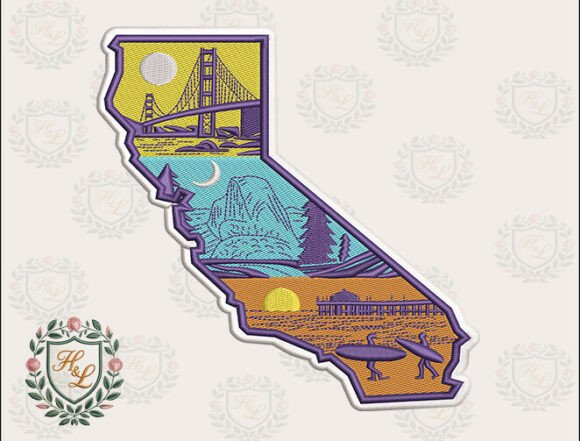
Review: Layers of California Embroidery Files
As an embroidery designer who spends countless hours digitizing and stitching, I am always on the lookout for design assets that balance aesthetic appeal with technical reliability. When I first encountered Layers of California Embroidery Files on Creative Fabrica, I was intrigued by the promise of bringing creative projects to life through high-quality digital appliqué. For those of us running small businesses or selling handmade goods, finding a design that translates well from screen to fabric is crucial. This review explores whether this specific collection meets the demands of real-world commercial embroidery and personal crafting.
First Impressions and Visual Mood
The immediate standout feature of Layers of California Embroidery Files is its visual mood. The design captures a distinct West Coast vibe, evoking feelings of warmth, nature, and relaxed style. For designers targeting the North America market, this thematic relevance is a significant advantage. The layers suggest depth and texture, which is essential for creating a professional-looking finished product.
From a technical perspective, the description highlights that this is a high-quality digital appliqué design. Appliqué is a favorite technique among many embroiderers because it reduces stitch count while maximizing visual impact. By using fabric pieces rather than dense stitching to fill large areas, you save time and reduce the risk of fabric puckering. This makes the design particularly suitable for items like tote bags and pillows, where heavy stitching can sometimes compromise the drape or structure of the item.
Performance in Real-World Projects
When considering Layers of California Embroidery Files for actual production, I evaluated how it would perform across various substrates. The versatility mentioned in the product description—perfect for shirts, tote bags, pillows, and festive decorations—holds up under scrutiny. Here is how I envision these files performing in specific scenarios:
- Custom Apparel: On a cotton sweatshirt or a structured tee, the appliqué elements should lay flat and crisp. The layering effect adds a boutique feel to custom apparel, making it stand out in a crowded Etsy marketplace.
- Tote Bag Design: Tote bags often use heavier canvas materials. An appliqué design is ideal here because it adheres well to thick fabrics without requiring excessive penetration from the needle, which can cause thread breaks or machine timing issues.
- Home Decor: For pillow covers or nursery decor, the soft textures of the appliqué fabric can complement the surrounding textile. It creates a tactile experience that buyers appreciate in handmade products.
- Festive Decorations: The "festive" aspect suggests these designs could work well for seasonal gifts. Whether it is a holiday ornament or a summer-themed wall hanging, the California motif offers year-round appeal with a slight seasonal pivot depending on the color palette chosen.
Technical Considerations for Embroiderers
While the aesthetic is promising, any experienced embroiderer knows that success lies in the execution. Before committing to a full production run, there are several practical factors to consider when working with Layers of California Embroidery Files.
Fabric and Stabilizer Selection
Since this is an appliqué design, the choice of fabric for the appliqué pieces is as important as the base fabric. For a sweatshirt embroidery project, using a felt or fleece for the appliqué layers can prevent fraying and add a cozy texture. However, if you are stitching on a woven shirt, you might prefer a tight-weave cotton for the appliqué to maintain sharp edges.
Stabilizer choice is critical. Even though appliqué reduces density, the tack-down stitches and satin stitch borders still require support. For stretchy fabrics like jersey knits, a cut-away stabilizer is recommended to prevent distortion. For stable wovens like canvas tote bags, a tear-away may suffice, but always test on scrap fabric first. Checking the stitch density of the border stitches will help you determine if additional stabilization is needed to prevent pull-out.
Hoop Size and Placement
One detail not explicitly provided in the brief description is the exact hoop size required. Before purchasing or downloading, it is vital to check the product details on the Creative Fabrica page. If the design is large, it may require a 5x7 or larger hoop. For smaller items like caps or patches, ensure the design fits within your available hoop space without needing to resize, which can distort stitch density.
Curved surfaces, such as caps, present a unique challenge. If you plan to create an embroidered patch or stitch directly onto a cap, consider hooping the stabilizer alone and using a temporary adhesive spray to hold the fabric. This ensures the layers of the appliqué remain aligned during the stitching process.
Thread Colors and Contrast
The visual appeal of an appliqué design relies heavily on contrast. When selecting thread colors for the satin stitch borders, choose shades that either complement or sharply contrast with the appliqué fabric. For a subtle, high-end look, match the thread to the appliqué fabric. For a pop of color that draws attention to the design assets, choose a contrasting thread. Always review your machine’s color chart and consider creating a printable mockup to visualize the final look before stitching.
Commercial Viability and Brand Value
For small business owners and creative entrepreneurs, the value of Layers of California Embroidery Files extends beyond the stitch itself. Using high-quality, themed designs can enhance brand consistency. If your shop specializes in West Coast-inspired goods, this design aligns perfectly with your brand identity. It helps build buyer trust because the professional finish of a well-executed appliqué signals quality craftsmanship.
Furthermore, these files can improve product photography. The textured layers of an appliqué design catch light differently than flat embroidery, adding depth to your images. This visual appeal can increase customer engagement on social media and marketplace listings. Whether you are selling personalized gifts or ready-to-ship items, a distinctive design like this can differentiate your products from generic competitors.
Final Verdict and Best Practices
In summary, Layers of California Embroidery Files appears to be a strong contender for designers looking to expand their portfolio with thematic, high-impact appliqué designs. To ensure the best results, follow these steps:
- Verify File Details: Check the Creative Fabrica product page for specific file formats, hoop sizes, and license terms. Ensure the license allows for commercial embroidery if you plan to sell finished items.
- Test Stitch: Always stitch out a test sample on similar fabric to your final product. Inspect small details after stitching to ensure the appliqué pieces are secure and the satin stitches are smooth.
- Optimize Materials: Choose appliqué fabrics that do not fray easily, or use a fusible web to secure edges before stitching. Use the appropriate stabilizer for your base fabric.
- Consider the End Use: If the item will be washed frequently, such as a baby blanket or kitchen towel, ensure the appliqué fabric is pre-shrunk and the stitches are dense enough to withstand laundering.
By treating this digital embroidery file with the care and technical attention it deserves, you can create stunning, marketable pieces that resonate with customers. Whether you are decorating a simple tote bag or crafting a complex layered garment, these files offer a solid foundation for creative expression in the world of Embroidery.