Review: Jellyfish Stuffie ITH Embroidery Design
As an embroidery designer who spends most days testing digital files for real-world application, I am always on the lookout for projects that bridge the gap between technical precision and emotional charm. Recently, I downloaded the Jellyfish Stuffie ITH Embroidery Design to evaluate its potential for my personalized gift shop. My goal was simple: determine if this file could translate into a high-quality, sellable product for clients seeking unique handmade items. After running several test hoops and analyzing the construction process, I have formed a clear opinion on how this design performs in a commercial setting.
First Impressions: Charm and Construction
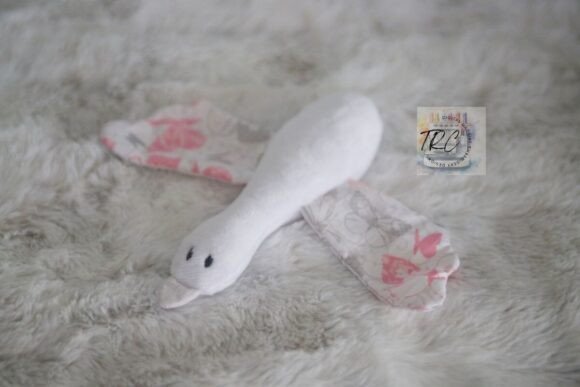
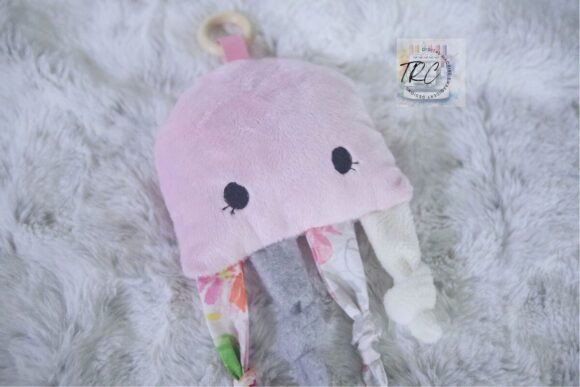
The moment I loaded the Jellyfish Stuffie ITH Embroidery Design into my software, the playful nature of the motif stood out. It is not just a flat image; it is a structured project that results in a three-dimensional stuffed toy. The mood is undeniably sweet and whimsical, making it an excellent candidate for nursery decor or baby gifts. Unlike standard flat embroidery, this design requires engagement from the maker. According to the product description, this embroidery design project is made in 2-3 hoopings and involves some sewing at the end. Along with the design files, you receive a PDF file with detailed full instructions. This comprehensive support is crucial for sellers who need to ensure consistency across multiple units.
From a visual standpoint, the design feels modern yet classic. It avoids overly complex shading that might get lost in smaller sizes, opting instead for clean lines and distinct color blocks. This approach ensures that the final handmade product looks professional even when stitched by someone still mastering their machine tension.
Versatility for Gift Shops and Etsy Sellers
For an Etsy seller or small business owner, versatility is key. While this specific file creates a stuffed jellyfish, the aesthetic appeals to a broad demographic. I envision this as a standout item for baby showers, where parents are looking for something softer and more unique than plastic toys. It fits perfectly into the category of baby embroidery projects that prioritize safety and softness.
Beyond the stuffie itself, the design elements can inspire other custom orders. If you are selling Sewing Patterns or Graphics, this style of cute marine life can be adapted for embroidered towel sets, pillow cover accents, or even blanket embroidery borders. Customers who love the jellyfish motif may also request matching custom embroidery on tote bags or aprons. By offering the finished stuffie alongside these complementary items, you create a cohesive brand identity that feels thoughtful and curated.
Navigating Fabric and Technical Challenges
While the design is charming, practical execution requires attention to detail. Because this is an In-The-Hoop (ITH) project that results in a 3D object, fabric choice is critical. I recommend using stable, medium-weight cottons or minky fabrics for the exterior. Avoid highly textured fabrics like thick terry cloth for the main body of the stuffie, as the texture can interfere with the precise alignment required during the multiple hoopings. Similarly, stretchy baby clothes are not suitable for this specific ITH construction method, though the motif alone could be applied to them with proper stabilization.
When working with dark fabric, you must carefully select your thread colors to ensure visibility. A navy blue jellyfish on black fabric will disappear, so consider using metallic or bright contrasting threads to make the details pop. Always check the stitch density in your software before stitching. If the density is too high for your chosen fabric, the item may become stiff or pucker. Using the correct stabilizer is non-negotiable here; a cut-away stabilizer is often best for ITH projects to provide lasting support for the stuffed form.
Enhancing Perceived Value and Customer Trust
In the world of online sales, photography is everything. The Jellyfish Stuffie ITH Embroidery Design offers excellent photogenic qualities. Its 3D nature allows for dynamic angles in product photos, which increases buyer engagement. When customers see a well-stuffed, neatly finished toy, they perceive higher value. This perception builds trust in your small shop product quality. A well-executed ITH project demonstrates skill, distinguishing your work from mass-produced imports.
Furthermore, including a printable mockup or behind-the-scenes video of the hooping process can significantly boost conversion rates. It shows the care involved in creating each personalized gift. For wedding gift designers, this might seem less relevant, but for family keepsakes and nursery items, the emotional connection is strong. Parents and grandparents are willing to pay a premium for items that feel special and handmade.
Practical Notes for Commercial Use
Before listing this item in your store, there are several steps you must take to ensure professionalism and legal compliance. First, always test on scrap fabric. Do not use your final customer fabric for the first run. Check the alignment of the second and third hoopings to ensure the closing seam is straight. Verify the hoop size requirements against your machine’s capabilities. Since the description mentions 2-3 hoopings, ensure your hoop is large enough to accommodate the design without excessive re-positioning errors.
Review the license terms included in the PDF. Most digital embroidery files come with specific rules regarding commercial embroidery. Confirm whether you can sell the finished physical products and if there are limits on quantity. Never assume; always read the documentation provided with the digital embroidery file.
Finally, consider the care instructions. Stuffed items need to be durable. Ensure your stitch outs are secure and that any small details, like eyes or tentacles, are tightly stitched to withstand washing. Advise your customers on proper care to maintain the shape and appearance of their new favorite toy.
Final Verdict
The Jellyfish Stuffie ITH Embroidery Design is a solid addition to any embroidery designer’s library. It balances fun aesthetics with manageable technical requirements. For those creating wedding gift alternatives, baby shower presents, or unique craft fair inventory, this design offers a delightful option that stands out. By paying attention to fabric selection, stabilization, and finishing details, you can produce a high-quality item that delights customers and enhances your brand’s reputation for excellence.