Review: Coquette Lucky Embroidery for Boutique Apparel
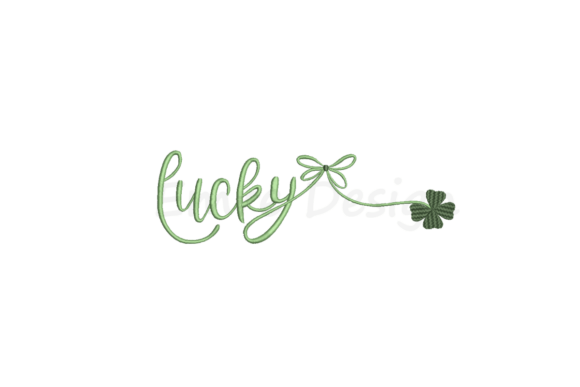
As an embroidery designer who spends half my life digitizing and the other half stitching, I am always on the hunt for designs that bridge the gap between trendy aesthetics and technical reliability. When I stumbled upon Coquette Lucky Embroidery on Creative Fabrica, my immediate thought was not just about the holiday potential, but about its versatility for year-round boutique apparel. This machine embroidery design offers a whimsical touch that feels particularly relevant for modern, feminine fashion trends.
The current market is saturated with generic graphics, but customers are increasingly drawn to items that feel handmade and curated. This design fits squarely into that demand. It brings a playful yet polished personality to any item, making it an excellent candidate for small clothing brands looking to expand their seasonal offerings without sacrificing brand identity.
Visual Personality and Stitching Mood
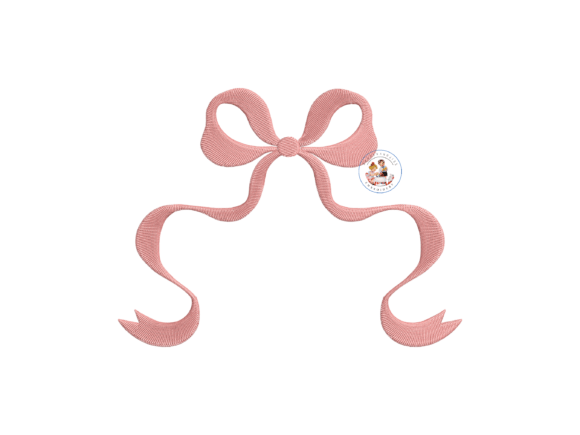
The first impression of Coquette Lucky Embroidery is one of delicate charm. It does not scream for attention with aggressive boldness; instead, it invites closer inspection. The visual mood is distinctly cute and feminine, leaning into the popular "coquette" aesthetic that has dominated social media feeds recently. For a designer, this means the stitch flow must be smooth to maintain that soft, premium look.
The detail level appears balanced. It is intricate enough to look expensive but simple enough to run efficiently on standard home or commercial machines. Whether you view it as a St Patrick S Day staple or a general lucky charm motif, the decorative strength lies in its ability to elevate basic garments. It feels trendy rather than rustic, minimal yet impactful. This duality allows it to work across various fabric textures, from smooth cotton to plush fleece.
Applying the Design to Sweatshirts and Hoodies
When planning a small sweatshirt or hoodie collection, placement is everything. I envision Coquette Lucky Embroidery performing beautifully as a left-chest accent on oversized neutral sweatshirts. The contrast of a delicate, whimsical design against the heavy structure of a hoodie creates a sophisticated visual balance. For pastel hoodies, the design adds a layer of depth without overwhelming the soft color palette.
For dark apparel, such as charcoal or black fleece, the choice of thread colors becomes critical. A metallic gold or bright white thread can make the embroidery pop, turning a simple garment into a statement piece. However, one must be cautious with dense stitch areas on stretchy fabric. Fleece and ribbed fabrics can distort if the stabilizer is not chosen correctly. I recommend using a cut-away stabilizer for hoodies to ensure the design remains crisp after multiple washes.
Sleeve accents are another trending option. Placing a smaller version of the design near the cuff adds a subtle detail that customers love. It transforms a basic custom apparel item into something that feels bespoke and thoughtful. This approach works exceptionally well for boutique brands aiming for high perceived value.
Versatility Beyond Apparel
While my primary focus is often apparel, this embroidery file shines on accessories too. Tote bag design is a huge market for Etsy sellers, and this motif adds a charming focal point to canvas bags. The sturdy nature of canvas handles higher stitch density well, allowing for vibrant thread colors that might sink into softer fabrics.
Denim jackets are another perfect canvas. The rugged texture of denim contrasts nicely with the soft, playful nature of the coquette style. Here, the embroidery acts as a patch-like element, adding character to vintage or new jackets. For lifestyle product photos, these combinations create engaging social media graphics that drive customer engagement.
Even home decor items like towels, as mentioned in the product description, benefit from this fun touch. However, for a boutique brand, sticking to wearable items often yields higher margins and repeat customers. The key is consistency. Using the same design across t-shirts, totes, and hoodies creates a cohesive collection that strengthens brand recognition.
Technical Considerations for Professional Results
Before running this design on a finished product, there are several practical steps every embroidery designer should take. First, always test on scrap fabric that matches your production material. Fabric texture plays a massive role in how the stitches lay. A smooth t-shirt will show every imperfection, while a textured sweater might hide minor tension issues.
Check the hoop size requirements carefully. While the product description notes it is suitable for various items, you must confirm the specific dimensions in the digital embroidery file details on Creative Fabrica. Ensuring the design fits within your machine’s hoop without excessive re-hooping saves time and reduces the risk of misalignment.
Stitch density is another crucial factor. If the design feels too dense for lightweight t-shirt fabric, consider using a tear-away stabilizer and testing a lower tension setting. For curved surfaces like the chest of a fitted tee, proper hooping technique is essential to prevent puckering. Always inspect the back of the sample to ensure no loose threads or excessive buildup that could irritate the wearer.
Thread color contrast should be reviewed against your garment choices. A monochromatic look can be elegant, but for a whimsical touch, contrasting colors often work better. Create printable mockups to visualize these combinations before committing to production. This helps in creating compelling Etsy listings and marketing materials.
Enhancing Brand Value and Trust
Using high-quality designs like Coquette Lucky Embroidery directly impacts buyer trust. When customers receive a product with clean, professional stitching, they associate that quality with your brand. It signals that you care about the details. This professional presentation is vital for small shop products competing in a crowded marketplace.
Commercial embroidery products thrive on uniqueness. By selecting a design that feels current and stylish, you differentiate your handmade product from mass-produced alternatives. This differentiation drives customer engagement and encourages social sharing. A well-executed embroidery job becomes a talking point, leading to organic marketing through user-generated content.
Furthermore, visual consistency across your product line builds brand identity. If you use this design on multiple items, ensure the thread colors and placement remain consistent. This repetition helps customers recognize your work instantly, fostering loyalty and repeat business.
Final Thoughts for Creative Entrepreneurs
Incorporating Coquette Lucky Embroidery into your next collection is a strategic move for any creative entrepreneur. It offers the flexibility to cater to seasonal trends like St Patrick S Day while remaining relevant for everyday wear. The key to success lies in the execution: careful fabric selection, precise stabilization, and thoughtful placement.
Remember to review the licensing terms on Creative Fabrica before selling finished apparel. Most designs allow for commercial use of physical products, but it is always wise to double-check. Once confirmed, you can confidently produce sweatshirt embroidery, hoodie designs, and tote bags that resonate with your audience.
Ultimately, this design is more than just a pattern; it is a tool for storytelling. It allows you to infuse personality into your custom apparel, creating pieces that customers cherish. For the experienced designer, it represents a reliable, versatile asset that can elevate the perceived value of any project. Embrace the whimsy, respect the technical requirements, and watch your boutique brand flourish.