Embroidery is My Therapy Gnome: A Designer’s Review
As an embroidery designer who has spent years digitizing files for small businesses, I approach every new machine embroidery design with a critical eye. It is not enough for a file to look cute on a screen; it must perform under the needle, survive industrial washing, and elevate the brand it represents. Recently, I reviewed Embroidery is My Therapy Gnome, a digital file that promises charm and character. This review evaluates its potential for commercial use, specifically for boutique owners, Etsy sellers, and apparel decorators looking to add personality to their merchandise.
First Impressions: Visual Personality and Brand Fit
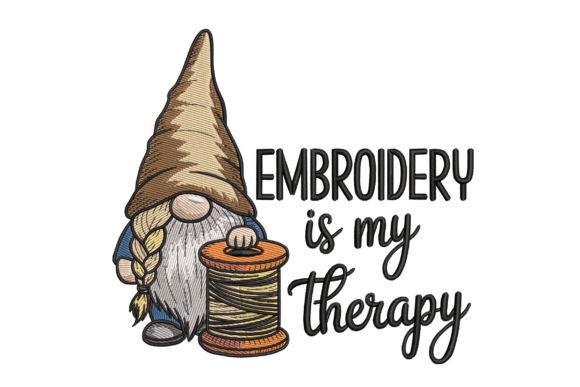
The first thing that strikes you about Embroidery is My Therapy Gnome is its narrative quality. The description highlights a gnome with a long, braided beard and a tall, textured hat, holding a large spool of thread. This is not just a generic character; it is a specific nod to the crafting community. For a business in the Sewing or craft supply niche, this design feels instantly authentic. It reads as friendly, rustic, and handmade, which are high-value attributes in today’s market.
From a branding perspective, this design avoids the sterile look of corporate logos. Instead, it offers warmth. If you run a creative studio, a yarn shop, or a handmade goods boutique, this image communicates that your brand values patience, creativity, and mental well-being. The "therapy" aspect of the title suggests a calming, mindful approach to craft, which resonates deeply with customers seeking escape from daily stress. However, for high-end luxury fashion or minimalist tech brands, this playful aesthetic might feel too casual. It is best suited for businesses that want to appear approachable and community-focused.
Commercial Applications for Small Business Merch
When considering small business merch, versatility is key. I evaluated how this design translates across various substrates commonly used by entrepreneurs.
- Embroidered Patches: This is perhaps the strongest application. The gnome’s distinct silhouette, particularly the tall hat and braided beard, creates a recognizable shape even when scaled down. A patch allows customers to buy a standalone product or attach it to existing items, increasing average order value.
- Apron Embroidery: For baking classes, floral workshops, or pottery studios, embroidering this gnome on aprons creates a uniform that feels like a costume or a badge of honor. It turns staff into brand ambassadors who look cohesive yet individual.
- Tote Bag Design: Canvas totes are a staple for craft fairs. Placing the gnome centrally on a tote bag creates a walking billboard. The thread texture of the gnome’s hat can mimic the weave of the canvas, creating a tactile harmony that buyers love.
- Cap Embroidery: While possible, this requires careful scaling. The verticality of the hat means you must ensure it does not extend beyond the cap’s seam or interfere with the wearer’s forehead. It works best as a side-panel accent rather than a full front center piece.
For Etsy sellers, this design can be sold as a finished product or as part of a kit. The emotional connection to "therapy" makes it an excellent gift item for crafters who need encouragement. It transforms a simple accessory into a meaningful token of support.
Technical Considerations and Stitch Density
While the aesthetic is charming, the technical execution determines whether the finished product looks professional or amateur. The description mentions a "textured hat" and a "braided beard." In embroidery, texture is achieved through stitch direction and density. As a designer, I advise checking the stitch density carefully. If the density is too high on a lightweight fabric like a t-shirt, it will cause puckering. If it is too low on a heavy denim jacket, the backing may show through.
Before running a production batch, you must test the design on the actual fabric texture you intend to use. Dark uniforms present a challenge; if the gnome’s features rely on subtle shading, they may get lost against black or navy fabric. In such cases, consider using high-contrast thread colors or adding a satin stitch border to make the design pop. Additionally, verify the hoop size required. If the design is large, you may need a multi-position hoop strategy for smaller garments like baby onesies or pocket squares.
Another critical factor is the use of stabilizer. For items that undergo frequent washing, such as staff uniforms or kitchen aprons, a cut-away stabilizer is often necessary to maintain the integrity of the stitches over time. Do not skip this step, especially with detailed elements like the braided beard, which could unravel or distort if the foundation shifts.
Brand Identity and Customer Trust
Consistency in visual assets builds trust. When a customer sees the same high-quality gnome emblem on your website, your packaging, and your physical store aprons, it reinforces brand recognition. Embroidery is My Therapy Gnome serves as a strong anchor for this identity. It signals that your business is detail-oriented and cares about presentation.
However, professionalism is also about knowing when not to use a design. Avoid placing this intricate gnome on items where it will be subjected to heavy abrasion, such as the knees of work pants or the bottom of bags that drag on the ground. Fine details can snag or wear down quickly. For high-wear items, consider simplifying the design or using it as a secondary element rather than the primary focal point.
Practical Designer Notes for Production
Before committing to a large run of commercial embroidery projects, follow these practical steps to ensure quality control:
- Test in Black and White: Convert your preview to grayscale. If the design loses its definition without color, the contrast between elements is insufficient. You may need to adjust thread choices to ensure the beard separates visually from the body.
- Check Small Patch Sizes: Scale the design down to one inch. Can you still identify the spool of thread? If details merge into a blob, the design is not suitable for tiny labels or jewelry tags.
- Review Thread Color Contrast: Ensure the thread colors chosen complement your base fabric. A brown beard on a dark brown shirt will vanish. Use a color wheel to find complementary or analogous shades that stand out.
- Create a Printable Mockup: Use digital tools to place the design on photos of your actual products. This helps clients visualize the final result and reduces revision requests.
- Confirm Commercial Licensing: Always verify the license terms of the digital embroidery file. Some creators allow unlimited commercial use, while others restrict the number of physical items you can sell. Never assume; always read the fine print to protect your business legally.
In conclusion, Embroidery is My Therapy Gnome is a delightful addition to any crafter’s library. It bridges the gap between whimsical art and functional branding. For small business owners in the sewing and craft sectors, it offers a unique way to connect with customers on an emotional level. By paying attention to technical details like stabilizer choice and stitch density, you can transform this digital asset into a premium physical product that enhances your brand identity and drives sales. Treat it not just as a decoration, but as a strategic tool in your marketing arsenal.